Stock Market Tips For Smarter Investing And Better Decisions
Investing in the stock market offers opportunities to build wealth over time, but successful investing requires knowledge, planning, and disciplined decision-making. Understanding market fundamentals, evaluating companies, managing risks, and maintaining realistic expectations are essential for investors at every experience level. Whether you are investing for long-term financial goals or actively managing a portfolio, following practical stock market tips can help improve your investment decisions.
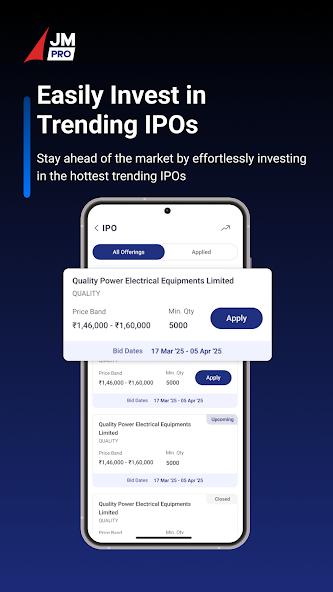
Modern technology has made investing more accessible through digital platforms. A Stock Trading App allows investors to monitor market activity, place buy and sell orders, and manage portfolios from their mobile devices. Likewise, a Demat App enables users to hold securities electronically while providing secure access to investment records and account management. These digital tools have simplified investing for beginners and experienced investors alike.
Understand the Basics of the Stock Market
Before investing, it is important to understand how the stock market functions. Companies raise capital by issuing shares, and investors purchase these shares to participate in the company's future growth. Share prices change based on factors such as company performance, economic conditions, industry developments, investor sentiment, and overall market activity.
A Stock Trading App provides access to real-time market information, while a Demat App stores purchased securities electronically, making investment management more convenient.
Define Clear Investment Goals
Every investment should be aligned with specific financial objectives.
Common goals include:
- Long-term wealth creation
- Retirement planning
- Children's education
- Home purchase
- Wealth preservation
- Regular portfolio growth
Clearly defined goals help investors choose suitable investment strategies and maintain discipline during market fluctuations.
Research Before Investing
Successful investing begins with careful research rather than reacting to short-term market movements.
Study Company Fundamentals
Review important financial information such as:
- Revenue growth
- Profitability
- Debt levels
- Cash flow
- Business model
- Industry position
- Understand the Industry
Evaluate industry growth prospects, competition, government regulations, and economic conditions that may influence company performance.
Review Management Quality
Experienced leadership and sound corporate governance often contribute to long-term business stability.
Diversify Your Portfolio
Diversification helps reduce investment risk by spreading investments across different sectors and asset classes.
Consider investing across:
- Large-cap companies
- Mid-cap companies
- Small-cap companies
- Exchange Traded Funds (ETFs)
- Mutual funds
- Bonds
- Government securities
A diversified portfolio reduces dependence on the performance of a single investment.
Manage Investment Risk
Risk management is an essential part of investing.
Invest According to Risk Tolerance
Choose investments that match your financial goals and comfort with market volatility.
Avoid Concentrated Investments
Avoid allocating all available funds to a single stock or sector.
Maintain an Emergency Fund
Keeping emergency savings separate from investment capital helps avoid selling investments during unfavorable market conditions.
Review Your Portfolio Regularly
Periodic reviews help ensure investments remain aligned with financial objectives.
Use Digital Investment Tools Wisely
Technology provides several useful resources for investors.
Stock Trading Applications
A Stock Trading App enables investors to:
- Place market orders
- Track stock prices
- Monitor watchlists
- Review portfolio performance
- Access market news
- Demat Account Management
A Demat App allows investors to:
- Hold shares electronically
- View holdings
- Download account statements
- Monitor transactions
- Manage account information securely
These tools simplify investment management while improving accessibility.
Avoid Common Investing Mistakes
Many investors can improve long-term performance by avoiding common mistakes.
Investing Without Research
Making investment decisions without understanding the company's financial position increases investment risk.
Emotional Decision-Making
Fear and excitement often influence poor investment decisions during market volatility.
Ignoring Diversification
Concentrating investments in one sector increases overall portfolio risk.
Chasing Short-Term Market Movements
Frequent reactions to daily price changes may reduce long-term investment discipline.
Neglecting Portfolio Reviews
Regular portfolio evaluation helps identify investments that no longer align with financial goals.
Long-Term Investing Principles
Long-term investing requires patience and consistency.
Important practices include:
- Invest regularly.
- Stay focused on financial goals.
- Reinvest returns where appropriate.
- Continue learning about financial markets.
- Monitor investments periodically.
- Maintain disciplined investment habits.
Long-term investors often benefit from avoiding unnecessary trading activity.
Factors That Influence Stock Prices
Several factors affect share prices.
Company Performance
Revenue, earnings, and profitability influence investor confidence.
Economic Conditions
Interest rates, inflation, employment data, and economic growth affect overall market performance.
Industry Developments
Technological changes, competition, and regulatory policies impact individual sectors.
Investor Sentiment
Market expectations and global events can influence short-term price movements.
Understanding these factors helps investors make informed decisions rather than reacting emotionally.
Practical Tips for Beginners
New investors should consider the following practices:
- Learn basic investment concepts.
- Begin with manageable investment amounts.
- Diversify across different sectors.
- Avoid borrowing to invest.
- Review investment costs and charges.
- Keep realistic return expectations.
- Focus on long-term financial planning.
Developing disciplined habits early supports consistent investment decision-making.
Frequently Asked Questions
Is a Demat account required?
Yes. A Demat account is generally required to hold listed shares electronically.
Can beginners invest through mobile applications?
Yes. Most registered brokers provide mobile applications suitable for both beginners and experienced investors.
How often should I review my portfolio?
Many investors review their portfolios periodically based on their financial goals rather than daily market movements.
Is diversification important?
Yes. Diversification helps reduce investment risk by spreading investments across different sectors and asset classes.
Conclusion
Following practical stock market tips helps investors make informed decisions while managing investment risk responsibly. Researching companies, diversifying portfolios, reviewing investments regularly, and maintaining long-term financial goals contribute to a disciplined investment approach.
A Stock Trading App provides convenient access to market information, order placement, and portfolio management from a mobile device. Similarly, a Demat App allows investors to securely hold securities, monitor transactions, and manage investment records electronically. Before making any investment decision, evaluate your financial objectives, understand your risk tolerance, and research available investment opportunities carefully. Consistent planning, disciplined investing, and regular portfolio reviews contribute to better financial decision-making in the stock market.